Akiya Rescue Home

Category

Investment & Finance

18 articles

Reading the Signals: How to Assess a Village's Future Before Committing to Its Past

Reading the Signals: How to Assess a Village's Future Before Committing to Its Past

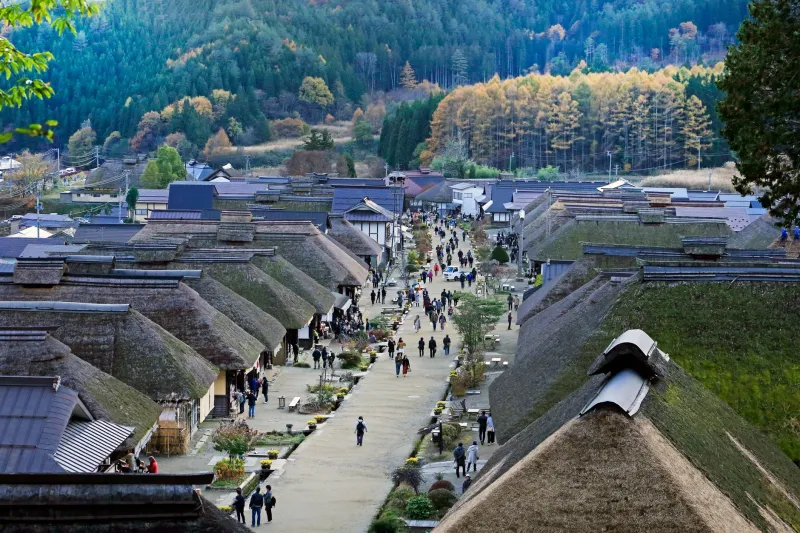
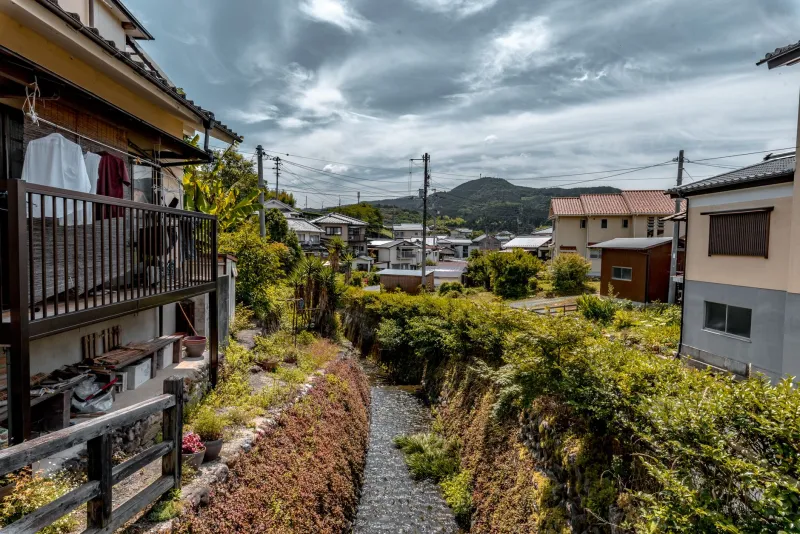
Not every rural Japanese village tells the same story. Some communities facing demographic pressure are quietly stabilizing—drawing new residents, attracting municipal investment, and building the infrastructure of revival. Others are in a more permanent kind of decline. Learning to tell the difference before you buy can be the most consequential research you do.

Villages That Refused to Disappear: A Field Guide to Japan's Most Promising Rural Revivals

Villages That Refused to Disappear: A Field Guide to Japan's Most Promising Rural Revivals

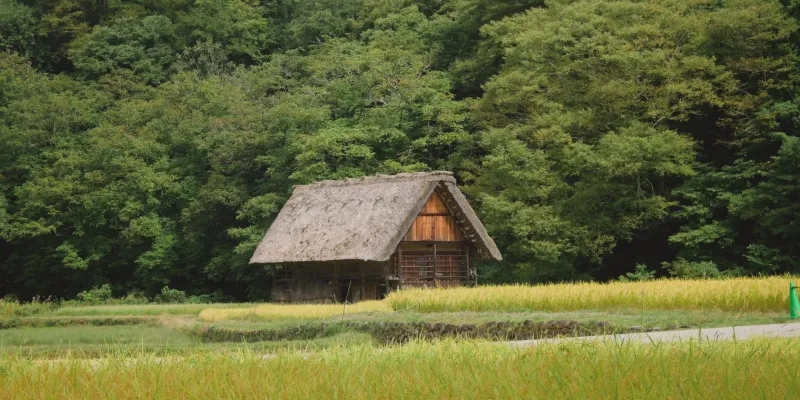
A small but growing number of rural Japanese communities have managed to reverse decades of population decline through deliberate akiya restoration programs, foreign investment, and shrewd municipal policy. For American buyers seeking properties with genuine upside, understanding what separates these recovering villages from their still-declining neighbors is not merely interesting — it is essential due diligence.

Off the Ledger: Locating Japan's Unlisted Abandoned Properties Before Anyone Else Does

Off the Ledger: Locating Japan's Unlisted Abandoned Properties Before Anyone Else Does

A substantial portion of Japan's abandoned homes never appear on any real estate platform, held instead in legal limbo, municipal databases, or private family arrangements that outsiders rarely penetrate. For American buyers willing to look beyond official listings, this invisible inventory represents some of the most compelling acquisition opportunities in the akiya market. Here is how to find them.

The Tax Advantage Nobody Mentions: How Japan's Property Code Rewards Akiya Restoration

The Tax Advantage Nobody Mentions: How Japan's Property Code Rewards Akiya Restoration

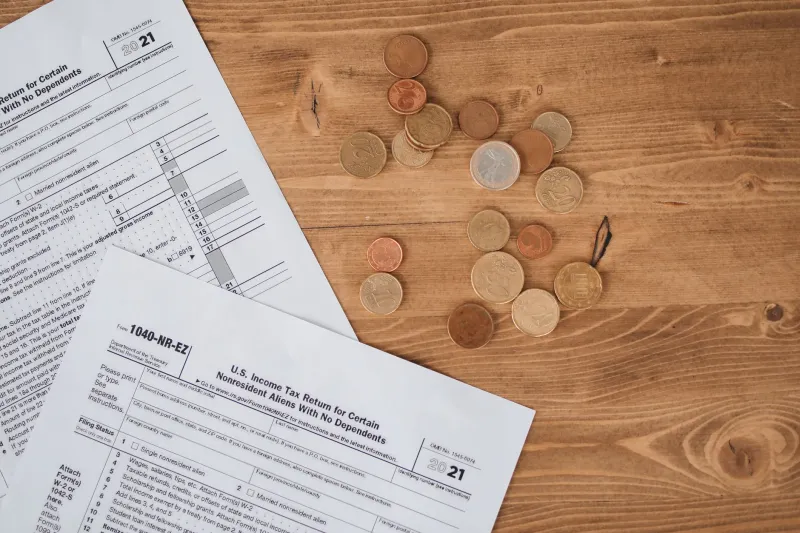
Japan's property tax system contains a set of provisions that, when understood correctly, can dramatically reduce the financial burden of restoring an abandoned home. American investors who take the time to navigate these rules often discover that the tax code itself is among the most powerful tools available to them. This piece examines the mechanics in detail.

Two Systems, One Transaction: Navigating the Legal Gap Between American and Japanese Property Ownership

Two Systems, One Transaction: Navigating the Legal Gap Between American and Japanese Property Ownership

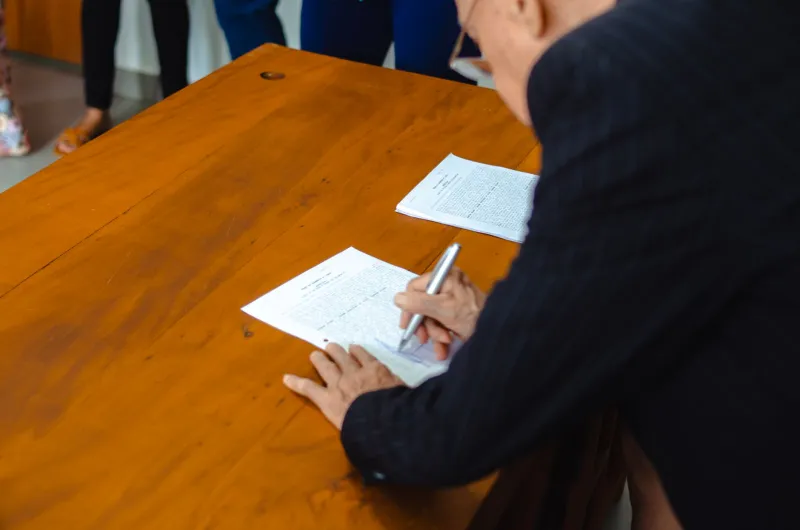
Purchasing property in Japan is not simply a matter of wiring funds and signing a deed. American buyers accustomed to title insurance, escrow agents, and county recorder offices will encounter an entirely different institutional architecture — one built on centuries of civil law tradition that operates by its own logic. Understanding these differences before you commit is not optional; it is the foundation upon which every successful akiya acquisition is built.

What the Village Isn't Volunteering: Hidden Community Risk Factors Every Foreign Akiya Buyer Should Investigate

What the Village Isn't Volunteering: Hidden Community Risk Factors Every Foreign Akiya Buyer Should Investigate

Before signing a purchase agreement on an abandoned Japanese home, most foreign buyers focus on structural condition and renovation costs — rarely on the municipal ecosystem surrounding the property. A growing number of American investors, however, have learned through costly experience that the health of the village itself can determine whether a restoration becomes a thriving investment or a stranded asset.

Patience as Strategy: How American Investors in Rural Japan Are Watching Forgotten Properties Quietly Gain Ground

Patience as Strategy: How American Investors in Rural Japan Are Watching Forgotten Properties Quietly Gain Ground

A growing cohort of American buyers who acquired deeply discounted akiya properties five to ten years ago are beginning to see measurable returns as Japanese local governments accelerate rural revitalization and younger professionals migrate away from crowded cities. Far from the speculative frenzies that define many Western real estate markets, these gains have emerged slowly, steadily, and often in prefectures that most international investors had never considered. Understanding why — and wher

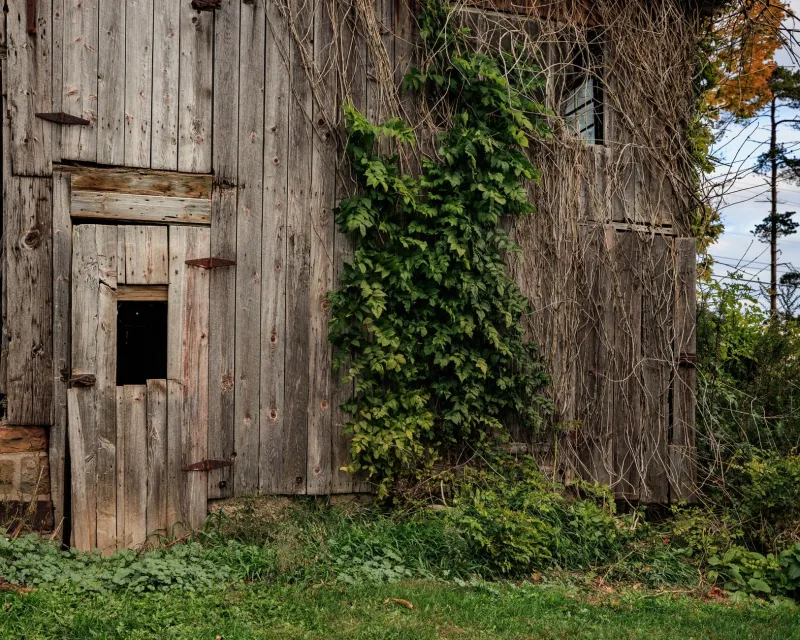
When a Bargain Becomes a Burden: Understanding Japan's Demolition Liability Laws Before You Buy an Akiya

When a Bargain Becomes a Burden: Understanding Japan's Demolition Liability Laws Before You Buy an Akiya

Japan's akiya market offers remarkably low entry prices, but beneath those figures lies a legal obligation many overseas buyers never anticipate: the potential requirement to fund demolition of a structurally unsafe property at their own expense. Understanding how Japanese municipal enforcement works—and how to conduct rigorous due diligence before signing—can mean the difference between a sound investment and a costly legal entanglement.

What the Purchase Price Doesn't Tell You: Japan's Property Tax Relief for Akiya Restoration Investors

What the Purchase Price Doesn't Tell You: Japan's Property Tax Relief for Akiya Restoration Investors

For American buyers eyeing Japan's abandoned rural homes, the sticker price is only part of the financial story. A layered system of property tax exemptions and municipal incentives can substantially reduce long-term ownership costs — but navigating these benefits requires understanding rules that few overseas buyers ever encounter. This guide breaks down the mechanics behind Japan's tax relief framework for akiya restoration projects.

The Clock Is Running: How Delays Are Quietly Draining the Akiya Investment Opportunity for American Buyers

The Clock Is Running: How Delays Are Quietly Draining the Akiya Investment Opportunity for American Buyers

The mathematics of akiya investment have shifted considerably in recent years, and not in favor of those who are still deliberating. Currency movements, escalating renovation labor costs, and a growing wave of competitive foreign interest are collectively narrowing a window that once appeared indefinitely wide. This analysis examines what procrastination is actually costing prospective American investors — in dollars, in options, and in opportunity.

The Closing Window: Why Delayed Decisions on Japanese Abandoned Properties Are Becoming Increasingly Costly

The Closing Window: Why Delayed Decisions on Japanese Abandoned Properties Are Becoming Increasingly Costly

Japan's akiya landscape is shifting faster than most prospective buyers realize, as demolition programs, regulatory changes, and intensifying competition quietly erode the inventory of viable properties. For American buyers watching from the sidelines, the financial consequences of hesitation are becoming measurable and significant. This investigation examines the real cost of waiting — and the data that makes a compelling case for acting now.

Unlocking Japan's Akiya Incentive System: A Practical Guide for American Buyers

Unlocking Japan's Akiya Incentive System: A Practical Guide for American Buyers

Japan's government has quietly assembled a compelling array of subsidies, grants, and tax relief programs aimed at breathing economic life back into its stock of abandoned rural properties. For American buyers willing to navigate the process, these incentives can dramatically reshape the financial calculus of akiya ownership. This guide breaks down what is available, who qualifies, and how to work through the bureaucratic requirements from abroad.

Beyond the Beach: How American Retirees Are Discovering Deeper Value in Japan's Rural Countryside

Beyond the Beach: How American Retirees Are Discovering Deeper Value in Japan's Rural Countryside

A quiet but significant shift is underway among American retirees seeking alternatives to crowded Caribbean resorts and overpriced coastal properties. Restored akiya homes in Japan's rural prefectures are drawing a growing number of US buyers who cite affordability, cultural richness, and an unexpected quality of life that conventional retirement destinations simply cannot match.

The Real Price of a Japanese Rural Home — And Why It Changes Everything About Retirement Planning

The Real Price of a Japanese Rural Home — And Why It Changes Everything About Retirement Planning

Abandoned rural properties across Japan are available at prices that seem almost impossible by American standards — but what do the true costs look like once renovation and logistics are factored in? This guide breaks down the full financial picture of akiya ownership and explains why it may represent one of the most undervalued retirement strategies available to US buyers today.